 Day trip
Season: Year-round
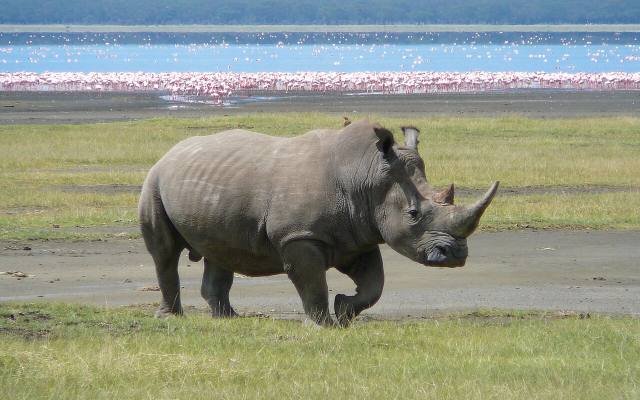
Lake Nakuru day trip from Nairobi
- Game drive among rhinos, buffalo, zebras and Rothschild’s giraffes
- A stop at the Great Rift Valley viewpoint on the way
Travel guide
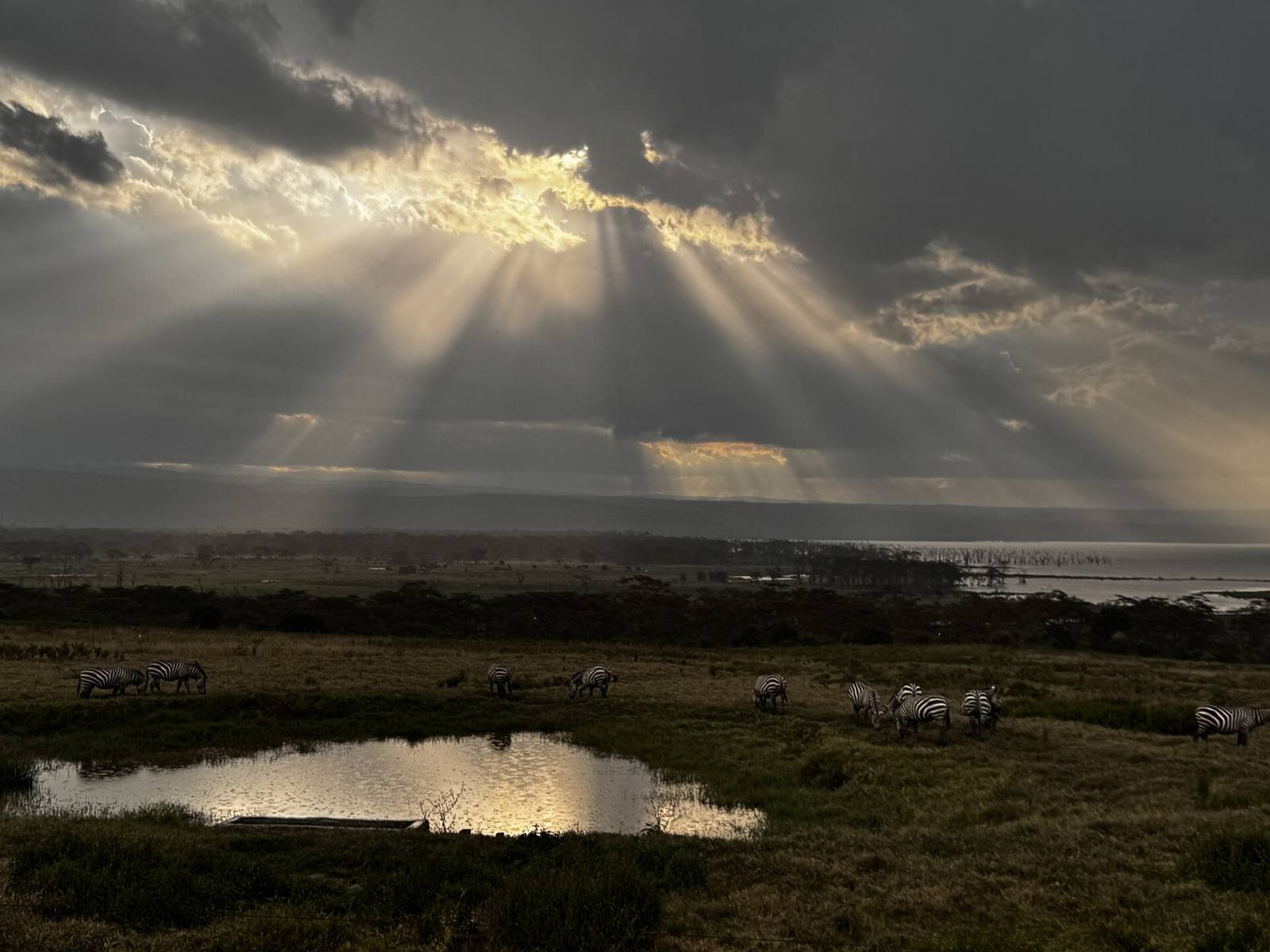
When to go, the rains and the dry seasons, what to pack, money, health, safety and etiquette: what to know before your first visit to Nakuru County and the Rift Valley lakes.
| Location | Great Rift Valley, central Kenya |
|---|---|
| County capital | Nakuru, Kenya’s fourth-largest city, about 1,850 metres above sea level |
| Distances | Nairobi 160 km, Naivasha 70 km, Lake Bogoria about 110 km |
| Time zone | East Africa Time (UTC+3), no daylight saving |
| Currency | Kenyan shilling (KES) |
| Languages | English and Swahili |
| Plugs | Type G (British three-pin), 240 volts |
| Emergency numbers | 999 or 112 |
Nakuru County is close to the equator but high up, so it is warm by day and cool at night all year. The seasons are set by the rains.
| Months | What to expect |
|---|---|
| January and February | Hot, dry and sunny. Good for game drives and hiking. |
| March to May | The long rains, with heavy afternoon storms. Green, quiet and cheaper; some tracks get muddy. |
| June to October | Dry and cooler, the main safari season. Busy in July and August. |
| November and December | The short rains, usually brief showers. Busy again over Christmas. |
Days are usually 22 to 28 °C, and nights can drop to about 10 °C, colder on Longonot and Menengai.
Cards are accepted in hotels, lodges and larger shops, and mobile money (M-Pesa) is used almost everywhere in Kenya. Carry some shillings for small purchases and tips. National park fees are paid electronically, by card or mobile money.
Book ahead
Day trip
Season: Year-round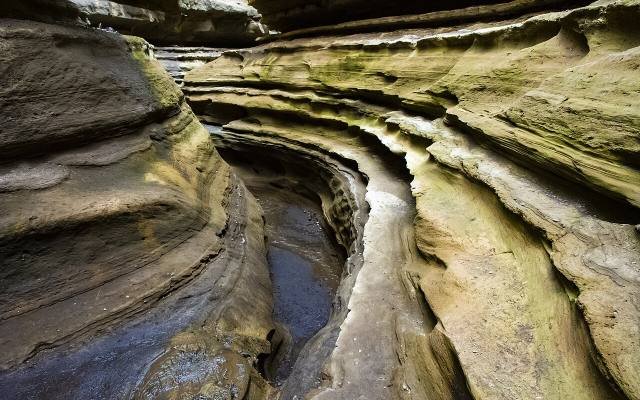 Cycling tour
Season: Year-round; the gorge closes in heavy rain
 Boat trip
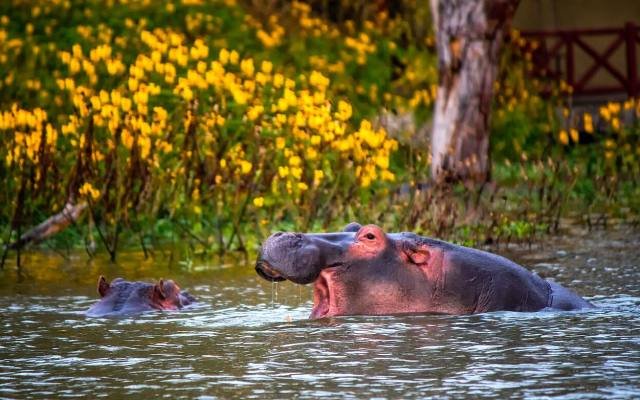
Season: Year-round
Good to know
The Kenyan shilling (KES). Cards are accepted in hotels, lodges and larger shops, and mobile money (M-Pesa) is used almost everywhere. National park fees are paid electronically, not in cash.
Most visitors need an Electronic Travel Authorisation (eTA), applied for online before travel. Requirements change, so check the official Kenyan government website before you go.
Tipping is common for safari drivers, guides, boatmen and hotel staff. Ask your tour operator for current guidelines, and tip in Kenyan shillings or by mobile money.
No. Kenya bans plastic carrier bags, and single-use plastics such as bottles and plates are not allowed in national parks. Pack a reusable bottle and bag.