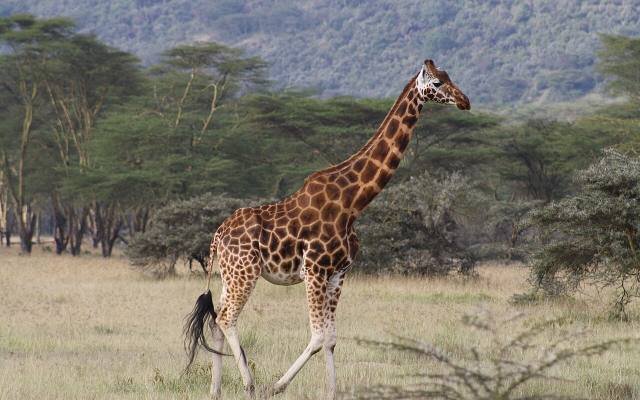
 Game drive
Season: Year-round
Lake Nakuru game drive
- A pop-up-roof safari vehicle and a driver-guide
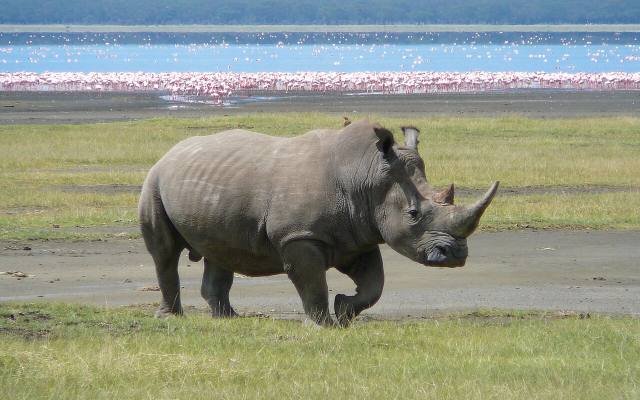
- Baboon Cliff and the lake shore for birds and rhinos
Wildlife
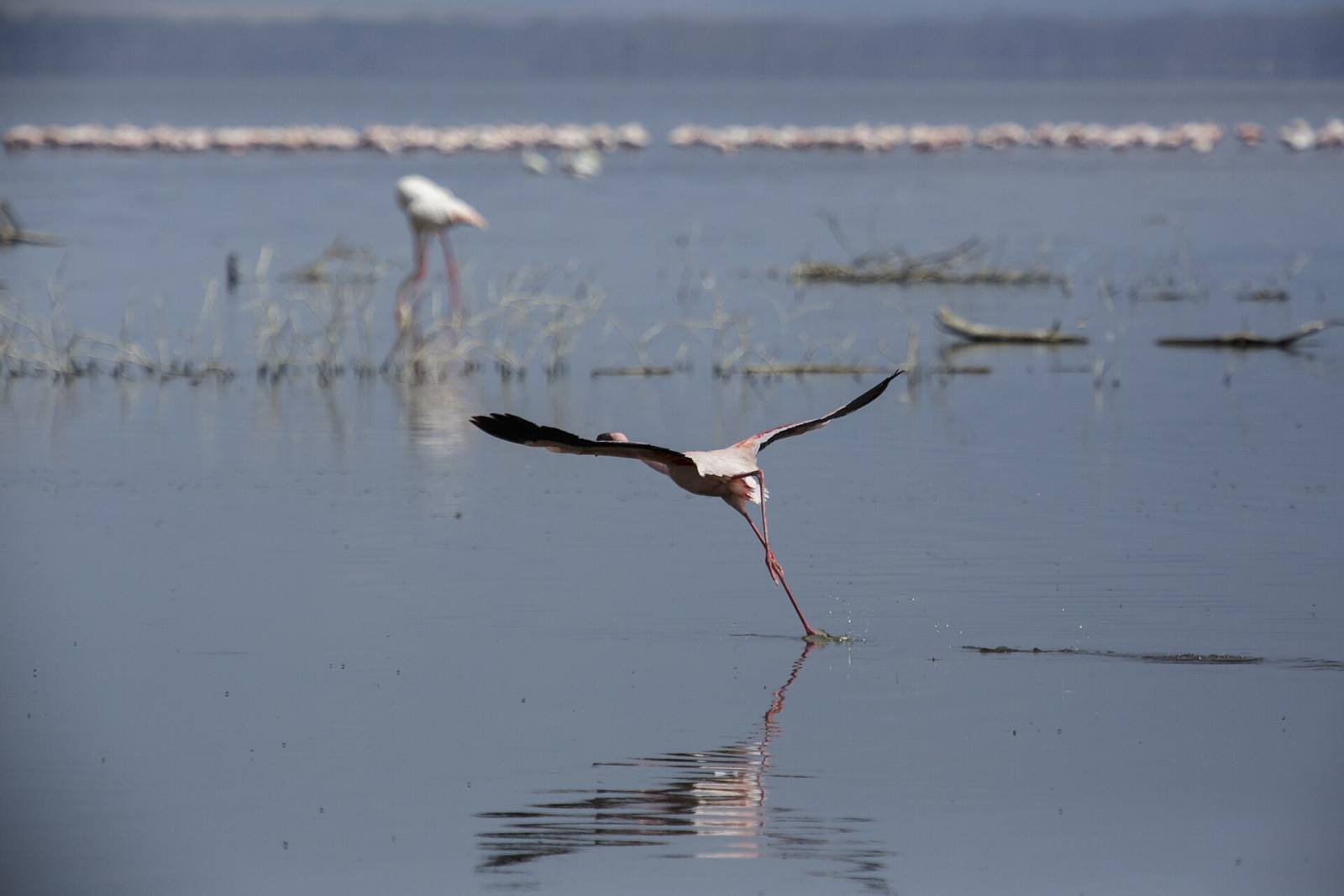
For decades, Lake Nakuru was famous for the pink rim of flamingos along its shore, sometimes more than a million birds at once. Today the picture is more complicated, but flamingos are still a highlight of a trip to the Rift Valley if you know where to look.
Most of the flamingos here are lesser flamingos, which feed on tiny blue-green algae that thrive in shallow, salty soda lakes. They are nomadic, moving between the lakes of the Rift Valley as conditions change. Since about 2010, heavy rains have raised the levels of Lake Nakuru and its neighbours, diluting the water and reducing the algae. As a result, flamingo numbers at Nakuru have fallen and now vary greatly from month to month.
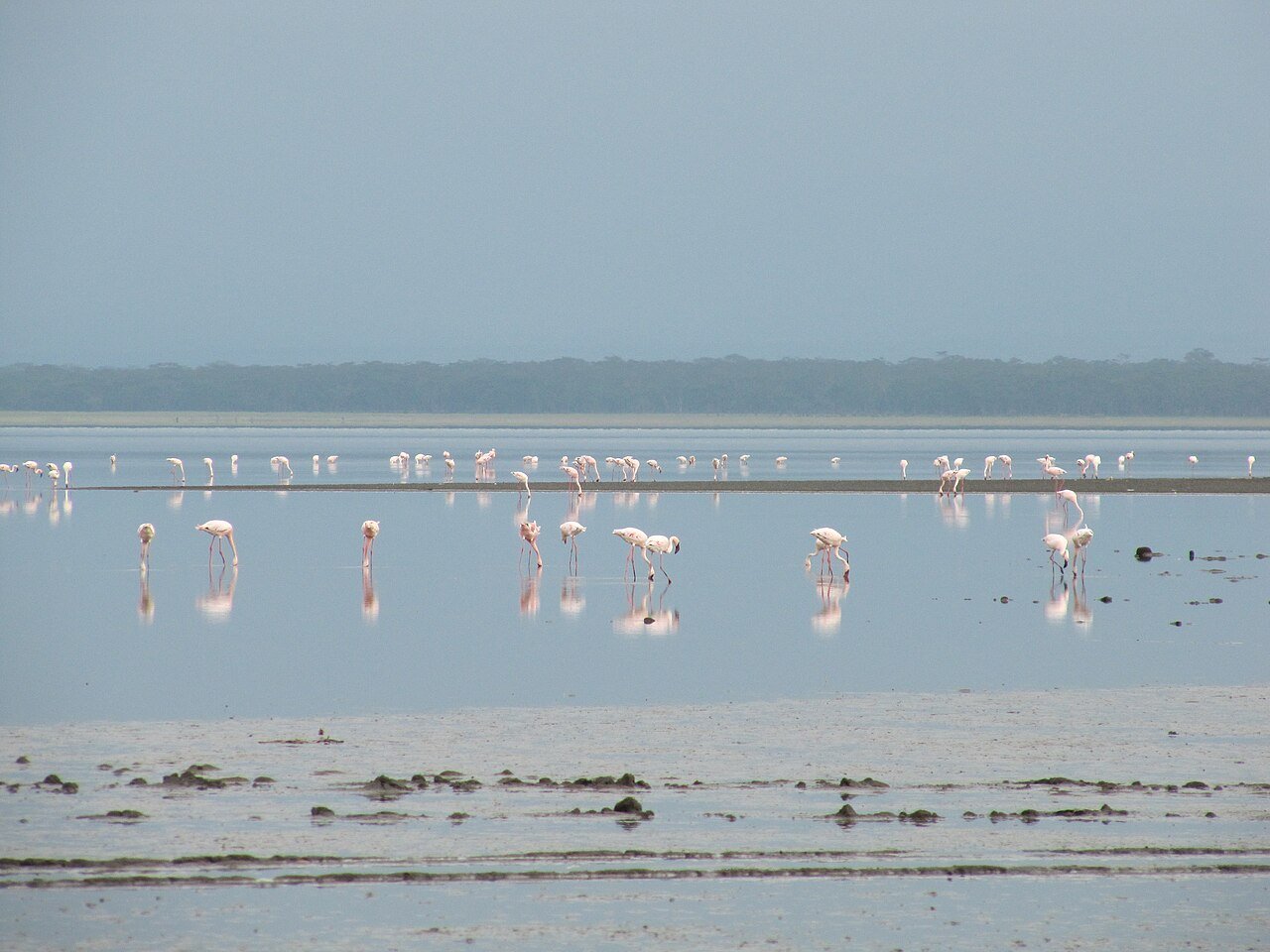
The three soda lakes of Nakuru, Elementaita and Bogoria together form the Kenya Lake System in the Great Rift Valley, a UNESCO World Heritage Site, protected largely for its birds.
Even without flamingos, the lakes are superb for birds: pelicans, storks, fish eagles, avocets and hundreds of other species. Read the best time to visit.
Book ahead
Game drive
Season: Year-round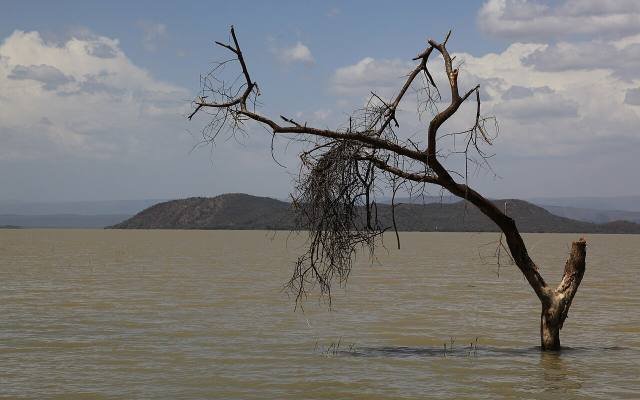 Day trip
Season: Year-round
 Day trip
Season: Year-round
Keep reading
 Itineraries
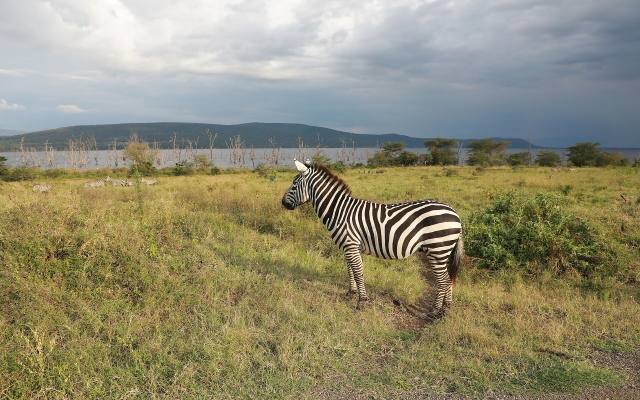
How to spend a full day in Lake Nakuru National Park: an early start for rhinos, the lake shore, Baboon Cliff, a picnic at Makalia Falls and an afternoon drive back through the acacia woods.
 Itineraries
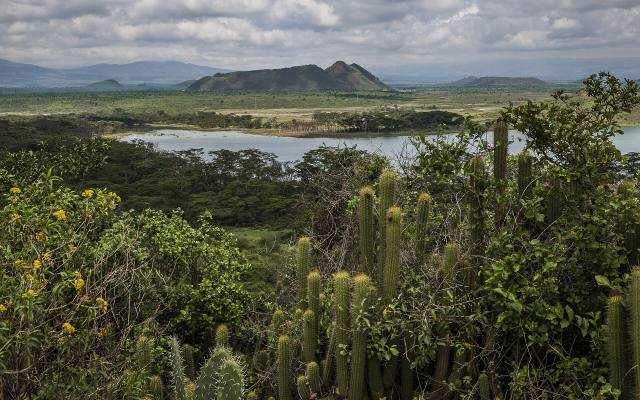
A three-day plan for Nakuru County: a game drive at Lake Nakuru and sunset at Menengai Crater, Lake Elementaita and a boat ride on Lake Naivasha, then cycling in Hell’s Gate.
 Outdoors
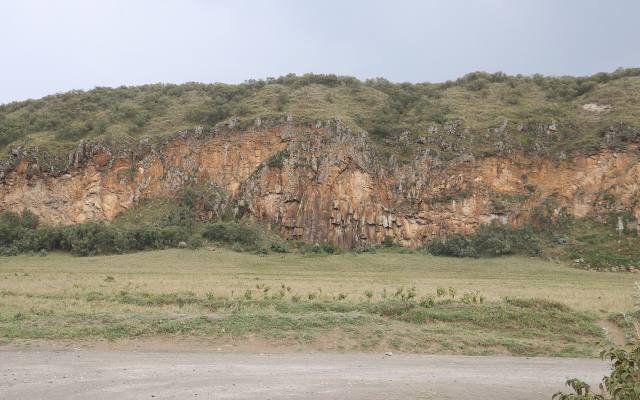
How to cycle Hell’s Gate National Park near Naivasha: renting a bike, the ride from Elsa Gate past Fischer’s Tower, walking the Ol Njorowa gorge with a guide, and staying safe.